

Voter Education
Voter education is essential to helping people participate confidently in our democracy. By providing clear, accurate information about how elections work, how to register, what’s on the ballot, and what rights voters have, we remove barriers that can prevent people from casting their votes.
Voter education empowers people to:
-
Make informed choices
-
Navigate the voting process with confidence
-
Recognize reliable information and avoid misinformation
-
Understand how decisions at every level affect daily life
An informed electorate is essential to a healthy democracy.
Learn more in our Voter Education section, where we break down the voting process into clear, accessible steps.

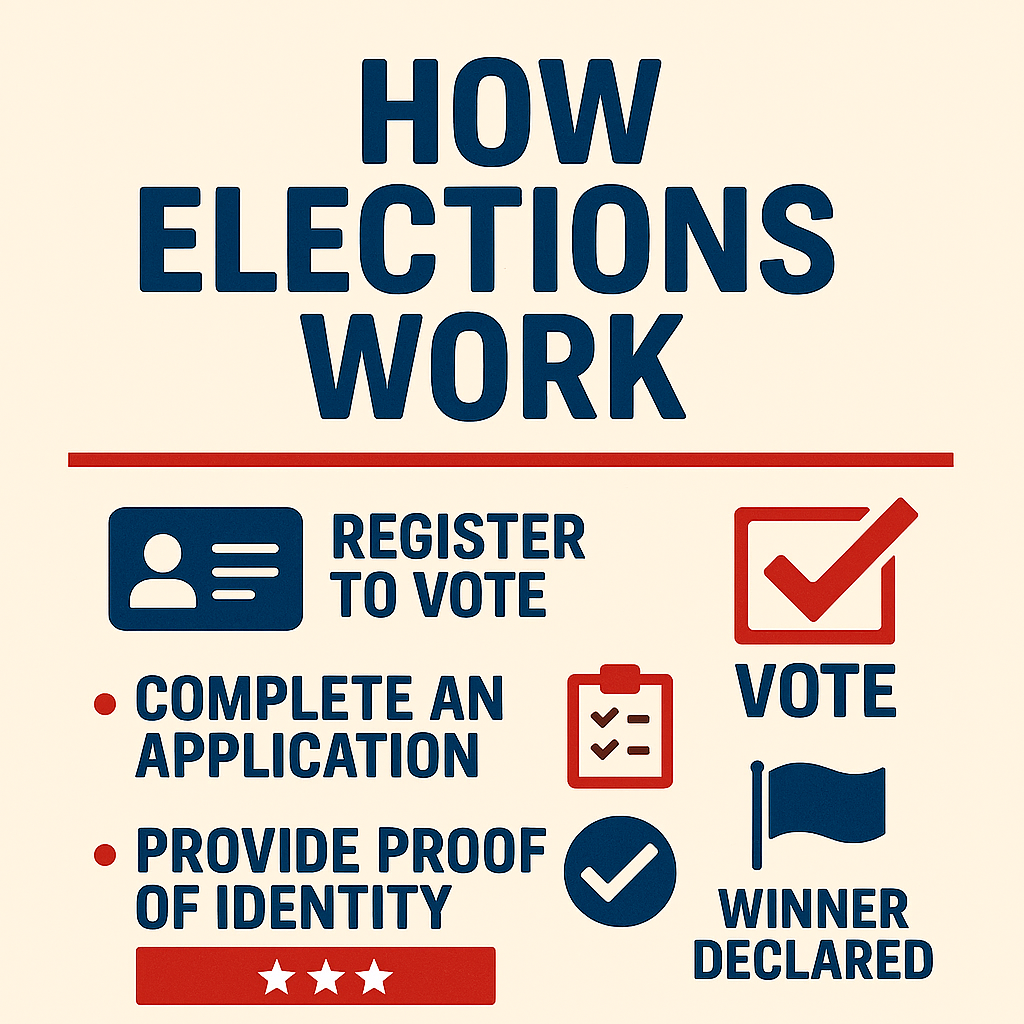
How Elections Work
Elections happen at the local, state, and federal levels, and each one plays a unique role in shaping our daily lives. Local elections determine how our towns and cities run. State elections impact issues like education, transportation, and public health. Federal elections decide national policies and leadership. Whether you vote once a year or several times, each election is an opportunity to influence the direction of your community.

Understanding the Ballot
Your ballot lists all the candidates, offices, and ballot questions you can vote on. It may include local officials, statewide races, judges, or referendums. Read the instructions carefully, take your time, and double-check your selections before submitting your ballot. To see what's on your ballot, click here for a sample ballot from your state or local election office.

Ways to Cast Your Vote
You have multiple options for voting depending on your state’s rules. You may vote in person on Election Day or during early voting periods. You may vote by mail or absentee if you qualify or if your state offers no-excuse mail voting. Some areas provide secure drop boxes for returning ballots. If you need assistance, accessibility options such as curbside voting or language support may be available.
Voter Registration Basics
Registering to vote is the first step in making your voice heard. Each state has its own deadlines and requirements, but the process is simple: check your eligibility, fill out your registration form, and confirm your status before Election Day. If you’ve moved, changed your name, or haven’t voted in a while, update your registration to make sure your information is current.

Make Your Voting Plan
Preparing ahead ensures you won’t face surprises on Election Day. Decide how you want to vote—early, by mail, or in person. Look up your polling place or ballot drop box, plan transportation if needed, check ID requirements, and set reminders for key deadlines. A complete voting plan makes the voting process smoother, more confident, and ensures you are prepared for every step of the process. Below are the essential components to include in your plan:
- Register to Vote.
- Update and Verify Voter Registration Status.
- Decide How to Vote (Election Day, Early In-Person, or Vote By Mail).
- If needed, bring identification.
- If Election Day Voting, then figure out time and travel to the polling place.
- Decision List for candidates/questions/offices (voter guides or sample ballots).
- Figure out Clothing (wear comfortable shoes and weather-appropriate layers).
- Figure out Supplies (bring water, snacks, and portable phone charger for long waits).
- Bring Election Protection Hotline number: 1-866-OUR-VOTE (1-866-687-8683) in case you encounter any issues or challenges at the polls.

Become An Informed Voter
Learning about candidates and ballot questions helps you make decisions that reflect your values. Look for candidate statements, public forums, and unbiased voter guides. Compare information from multiple news sources, and always double-check claims using reputable fact-checking websites. Avoid relying on social media posts alone—take a moment to verify before sharing.
🗳️ Informed Voter Checklist
- Know who is on the ballot — Research all candidates, not just those at the top of the ticket. Vote Smart provides free, factual, unbiased information on candidates and elected officials to ALL voters ALL year long.
- Understand down-ballot races — Learn about congressional, state, and local races, as well as judges and ballot initiatives and referendums.
- Use voter guides and sample ballots — These tools help you prepare your choices before voting.
- Stay updated on election changes — These include voting laws, administration, voting access, voting infrastructure, and major events.
- Educate others — Share resources and encourage family, friends, and colleagues and to vote.
- Visit trusted sources — Use sites like Vote411.org and BallotPedia.org for official election information.

Know Your Voting Rights
Every voter has rights that protect their ability to participate in elections.
-
You have the right to vote if you are in line when the polls close.
-
You have the right to a provisional ballot if there’s a question about your eligibility.
-
You have the right to vote free from intimidation, harassment, or interference.
-
You have the right to accessible voting options if you have a disability.
-
You have the right to language assistance if English is not your primary language.
-
You have the right to bring a sample ballot or notes into the voting booth.
-
You have the right to ask poll workers for help with the voting process.
-
You have the right to a replacement ballot if you make a mistake (in many states).
-
You have the right to review your ballot before casting it.
-
You have the right to report problems to local election officials.
Poll workers must treat all voters with respect. If you believe your rights have been violated, contact the Election Protection Hotline at 866-OUR-VOTE for help.

Frequently Asked Questions (FAQ)
Q: Do I need an ID to vote?
A: Some states require identification, while others do not. Check your state’s rules before Election Day.
Q: Can I vote if I’m a college student?
A: Yes. Students may vote at their school address or home address, depending on state laws.
Q: What if I’m not on the voter list?
A: Ask for a provisional ballot and follow the instructions provided by poll workers.
Q: Can someone help me vote?
A: Yes. Voters with disabilities or language needs may receive assistance from a person of their choice, except an employer or union representative.
Q: What if I make a mistake on my ballot?
A: Request a new one. Most states allow you to “spoil” a ballot and fill out a fresh copy.

Learn in Minutes
Explore short videos and infographics that make the voting process simple and easy to understand. Learn how to register, how to vote by mail, what to expect at polling places, and how to spot misinformation before it spreads.
